What Really Happens When You Level a Ford F-150 and How to Do It Without Hurting the Drive
O’Fallon, United States – January 2, 2026 / Axleboy Offroad /
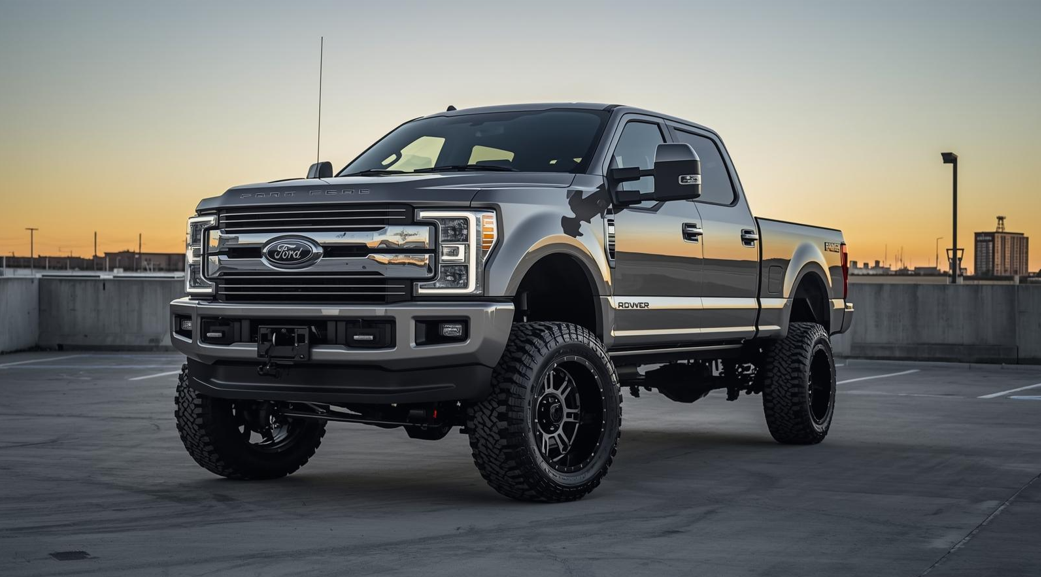
A leveled Ford truck just looks right. The nose comes up, the stance evens out, and suddenly the truck looks ready for trails, back roads, and weekend adventures. That visual appeal is exactly why leveling kits are one of the most popular modifications for Ford owners. But here is the truth many people only learn after the install. A leveling kit changes far more than ride height.
For owners researching an F150 leveling kit, the decision should go beyond how many inches the front end rises. Leveling affects suspension geometry, steering feel, tire clearance, and long-term component health. Done right, leveling improves stance without changing how the truck drives. Done poorly, it introduces problems that never existed before.
This guide explains what leveling kits really do on Ford F-150, F-250, and F-350 trucks, why problems are so common, and how proper corrections preserve the stable, confident ride Ford trucks are known for.
Why Leveling Kits Became So Popular on Ford Trucks
From the factory, most Ford trucks sit nose-down. That rake is intentional. It helps with towing, braking balance, and load capacity. But visually, many owners prefer a flatter stance.
A leveling kit raises the front of the truck to match the rear. For daily drivers in the St. Louis region, that means better looks, room for slightly larger tires, and improved approach angles on trails or rough access roads.
The challenge is that leveling kits are often marketed as simple bolt-on spacers. The idea sounds easy. Install spacers, gain height, and call it a day. In reality, raising the front suspension changes angles and loads throughout the system.
What a Ford Leveling Kit Actually Changes
Leveling kits do not just lift the front. They alter suspension geometry. That geometry controls how the truck steers, aligns, and absorbs bumps.
When the front end comes up, caster angle is reduced. Caster is what helps the steering wheel return to center and keeps the truck tracking straight at highway speeds. Lose too much caster, and the truck feels loose or vague.
Ball joints and control arms are also pushed into steeper operating angles. On many F-150 models, this can cause binding, reduced joint life, and harsh ride over sharp bumps.
On Super Duty trucks, the solid front axle can shift slightly to one side after leveling. That axle shift affects steering feel and tire clearance, especially with wider tires.
These changes are not flaws in Ford engineering. They are simply the result of changing ride height without addressing the rest of the system.
Common Problems Caused by Incomplete Leveling Installs
Most leveling complaints come from kits that only address height, not geometry. The most common issues include:
Reduced caster angle leading to wandering steering at highway speeds.
Harsh top-out when hitting bumps or dips in the road.
Uneven tire wear after alignment.
Ball joint binding on F-150 trucks.
Axle shift on F-250 and F-350 models.
Poor tire clearance when running 33 to 35 inch tires.
Steering wheel that never quite feels centered.
None of these issues are inevitable. They are the result of incomplete planning.
Understanding Leveling Kits on the Ford F-150
The Ford F-150 uses an independent front suspension. This design provides excellent ride quality and handling when angles remain within their intended range.
Spacer-only leveling kits increase preload on the factory strut. That can limit downward travel and create a stiff, abrupt feel over bumps. It also pushes the upper control arm into a steeper angle.
This is where many F-150 owners experience ball joint stress and reduced alignment range. Without enough adjustment, proper caster cannot be restored.
A well-executed leveling setup for an F-150 typically includes more than spacers. It accounts for spring rates, control arm angles, and alignment correction.
Leveling Challenges Unique to Ford F-250 and F-350 Trucks
Super Duty trucks use a solid front axle. This design is incredibly strong and ideal for towing and heavy loads. But leveling introduces different challenges.
When the front end is raised, the axle can shift slightly due to the fixed-length track bar. That shift may not be obvious at first glance, but it affects steering geometry and tire placement.
Caster loss is also more pronounced on Super Duty trucks. Reduced caster can make a heavy truck feel nervous at speed, especially when towing.
Radius arms play a major role in restoring proper caster on these platforms. Adjustable track bars re-center the axle. When these components are ignored, ride quality and control suffer.
Tire Size, Wheel Offset, and Why Leveling Alone Is Not Enough
One of the biggest reasons owners install leveling kits is to run larger tires. Common sizes include 33, 34, and 35 inch tires.
The problem is that tire fitment depends on more than lift height. Wheel offset, tire width, suspension travel, and steering angle all matter.
A leveled truck with the wrong wheel offset may rub at full lock or during suspension compression. That rubbing often occurs on plastic liners, crash bars, or suspension components.
Correcting geometry and choosing compatible wheels ensures tire clearance without trimming or long-term wear issues.
How Proper Leveling Preserves Ride Quality
Ride quality is not just about shocks. It is about motion. A suspension should move freely within its designed range.
When leveling kits limit downtravel or create binding, the suspension cannot absorb bumps smoothly. That leads to harsh impacts and noise.
Correct springs or coilovers matched to the truck’s weight allow the suspension to work naturally. They maintain travel while supporting the added height.
On F-150 trucks, upgraded upper control arms restore alignment range and ball joint angles. On Super Duty trucks, adjustable radius arms and track bars restore geometry and stability.
Precision alignment is the final step. Steering wheel centering and proper caster settings make the truck feel planted again.
Why Alignment Alone Cannot Fix a Bad Leveling Kit
Many owners assume alignment will solve all post-leveling issues. Alignment helps, but it cannot overcome physical limits.
If control arms lack adjustment range, caster cannot be fully restored. If the axle is shifted, toe and camber adjustments will not re-center it.
Alignment should be the finishing touch, not the only correction. Proper components must be in place first.
Daily Driving Versus Off Road Use Matters
Not every leveled truck needs the same setup. A daily-driven truck that occasionally sees dirt roads has different needs than a weekend trail rig.
For daily drivers in the St. Louis metro area, maintaining highway comfort and predictable steering is critical. Rough pavement, expansion joints, and long commutes expose suspension flaws quickly.
Understanding how the truck is used allows leveling to enhance capability without compromising comfort.
Why Local Terrain Knowledge Plays a Role
Midwest terrain presents unique challenges. Gravel roads, muddy access points, and uneven trails require stability more than extreme lift.
Certain accessories and configurations that work in desert or mountain regions do not always translate well locally. Knowing where and how trucks are driven helps avoid unnecessary modifications.
For owners researching F150 leveling kit options in the region, this F150 leveling kit location serves as a regional reference for properly balanced truck builds.
Leveling Kits Versus Full Lift Kits
Leveling kits are not lift kits. They serve different goals.
A leveling kit corrects stance and improves clearance modestly. A full lift kit changes ride height across the entire vehicle and often requires additional drivetrain and steering modifications.
For many Ford owners, leveling provides the right balance. It improves appearance and capability without introducing complexity.
Understanding this difference helps prevent overbuilding and wasted money.
Choosing Quality Parts and Planning for the Future
A leveling kit is often the first modification. That makes it even more important to plan ahead.
Future upgrades such as wheels, tires, armor, or overlanding gear add weight. Suspension components should support that weight without sag or harshness.
Using parts designed to work together keeps options open. It also reduces the chance of redoing work later.
For owners exploring compatible components and research, this F150 leveling kit resource outlines common categories used in balanced builds.
About Axleboy Offroad
Axleboy Offroad is a custom 4×4 outfitter serving the St. Louis region with a focus on drivability, geometry, and long-term reliability. The shop supports Ford trucks across all platforms, from daily drivers to fully equipped exploration rigs.
With factory-trained technicians and dealer-level tools, Axleboy Offroad handles complete builds, maintenance, and suspension work in-house. Performance parts are backed by a 12 month or 12,000 mile warranty, reinforcing a commitment to getting it right the first time.
The approach centers on guidance, honest recommendations, and solutions that match how vehicles are actually used.
Contact Information:
Axleboy Offroad
1935 E Terra Ln
O’Fallon, MO 63366
United States
Contact Axleboy Offroad
(636) 939-5337
http://axleboy.com/